

Walk-In Showers Gain Prominence in Modern Bathroom Renovation Design Trends
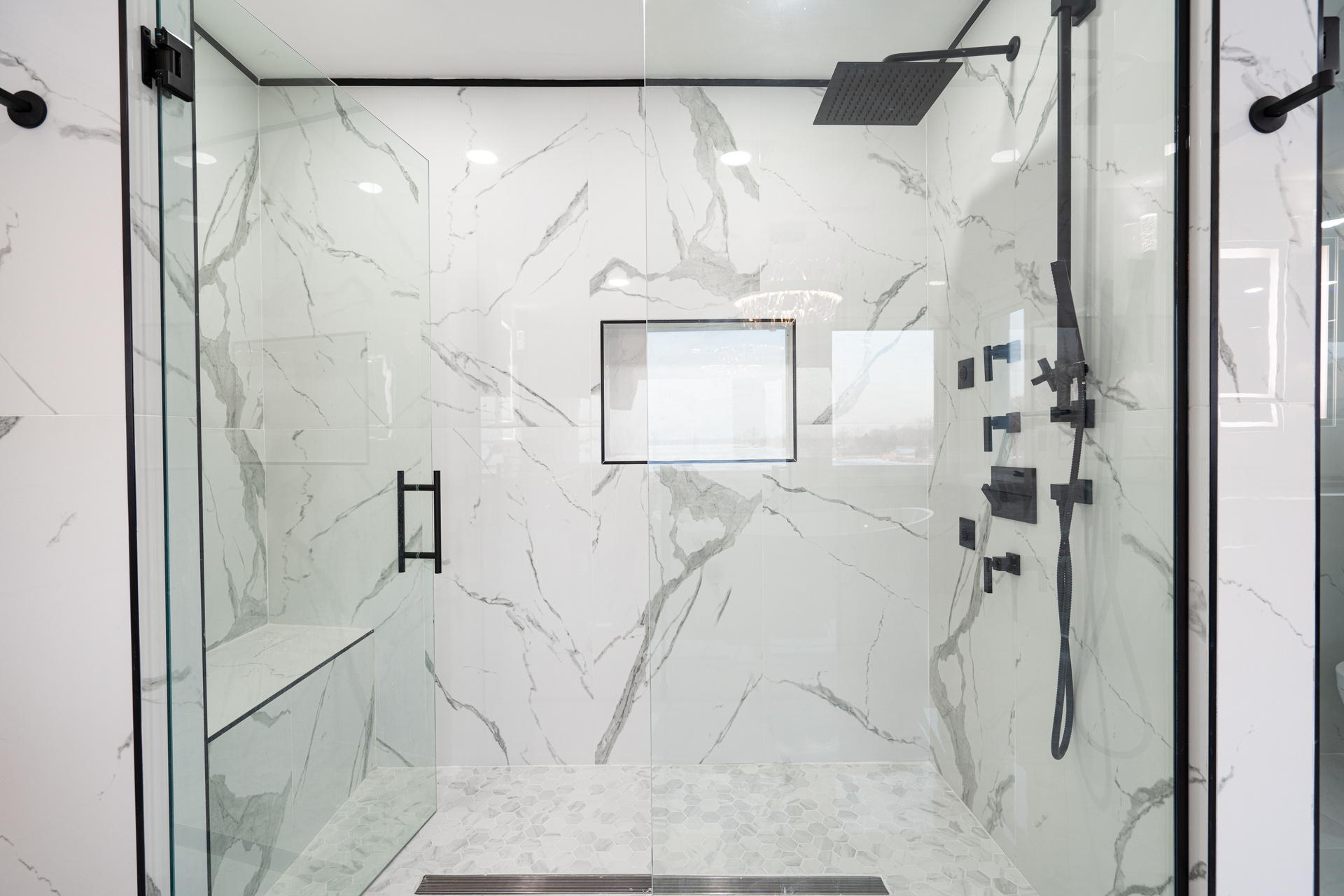

Walk-in showers are being selected in a wide range of renovation projects due to their accessibility and adaptability within different bathroom layouts”
SLIDELL, LA, UNITED STATES, April 6, 2026 /EINPresswire.com/ -- Walk-in showers are becoming an increasingly common feature in modern bathroom renovations, reflecting shifts in design preferences, functionality, and long-term usability. Builders and homeowners alike are incorporating walk-in shower layouts as part of broader efforts to modernize interior spaces while addressing evolving lifestyle needs.— Elwin Ordoyne
Traditionally, bathrooms often included a combination of a bathtub and enclosed shower unit. While that configuration remains in use, many renovation projects now prioritize open, barrier-free shower designs. Walk-in showers typically feature minimal thresholds, wider entry points, and streamlined layouts that reduce visual and physical barriers within the space.
Design professionals note that this shift is influenced by a combination of aesthetic and practical considerations. Walk-in showers contribute to a more open and continuous visual flow within a bathroom, often making the space appear larger. The absence of bulky enclosures or raised tub walls allows for cleaner lines and more flexible design options.
Material selection also plays a role in the popularity of walk-in showers. Tile, stone, and glass elements are commonly used to create a cohesive look that integrates with the rest of the bathroom. Frameless glass panels, in particular, are frequently incorporated to maintain openness while still providing separation from surrounding areas.
Functionality remains a central factor in the adoption of walk-in shower designs. The absence of a step-over barrier can improve accessibility, making these showers suitable for a wider range of users. This includes individuals seeking long-term usability as well as those planning for aging-in-place considerations.
Elwin Ordoyne, Vice President of E.C.O. Builders Inc., addressed the growing presence of walk-in showers in renovation projects.
“Walk-in showers are being selected in a wide range of renovation projects due to their accessibility and adaptability within different bathroom layouts,” said Elwin Ordoyne. “Design flexibility allows for customization while maintaining a streamlined appearance.”
In addition to accessibility, ease of maintenance is often cited as a contributing factor. Walk-in showers typically involve fewer seams, tracks, and enclosed components compared to traditional shower units. This can simplify cleaning and reduce areas where moisture and debris may accumulate.
Space efficiency is another consideration. In some renovation scenarios, removing a traditional tub can free up square footage that can be reallocated to a larger shower area or additional storage. This flexibility allows homeowners to tailor the space to specific preferences and functional needs.
The integration of modern fixtures further enhances the appeal of walk-in showers. Features such as rainfall showerheads, handheld sprayers, and built-in seating are commonly incorporated into designs. These elements can be adjusted to accommodate individual preferences without altering the overall structure of the space.
Drainage and waterproofing systems have also evolved to support walk-in shower installations. Linear drains and sloped flooring systems are often used to ensure effective water management within open layouts. These systems are designed to direct water flow efficiently while maintaining a level entry point.
Lighting considerations contribute to the overall functionality and appearance of walk-in showers. Recessed lighting, natural light integration, and strategically placed fixtures can enhance visibility and highlight design elements. Improved lighting can also support safety and ease of use.
The growing adoption of walk-in showers reflects broader trends in residential design that emphasize simplicity, functionality, and adaptability. As renovation practices continue to evolve, design elements that support long-term usability and efficient use of space are becoming more prominent.
While traditional bathroom configurations remain in use, the increasing presence of walk-in showers indicates a shift toward layouts that prioritize accessibility and streamlined design. Builders and designers continue to adapt to these preferences, incorporating features that align with both current trends and future considerations.
Understanding the factors contributing to this shift provides insight into how residential spaces are being reimagined. Walk-in showers represent a convergence of design, functionality, and practicality within modern bathroom renovation projects.
As homeowners evaluate renovation options, the inclusion of walk-in showers continues to be considered within a wide range of design strategies, reflecting ongoing changes in how bathroom spaces are utilized and experienced.
Morgan Thomas
Rhino Digital, LLC
+1 504-875-5036
email us here
Visit us on social media:
Facebook
Legal Disclaimer:
EIN Presswire provides this news content "as is" without warranty of any kind. We do not accept any responsibility or liability for the accuracy, content, images, videos, licenses, completeness, legality, or reliability of the information contained in this article. If you have any complaints or copyright issues related to this article, kindly contact the author above.
