

Real Estate Experts Identify Seven Common Mistakes That Can Derail a Home Purchase


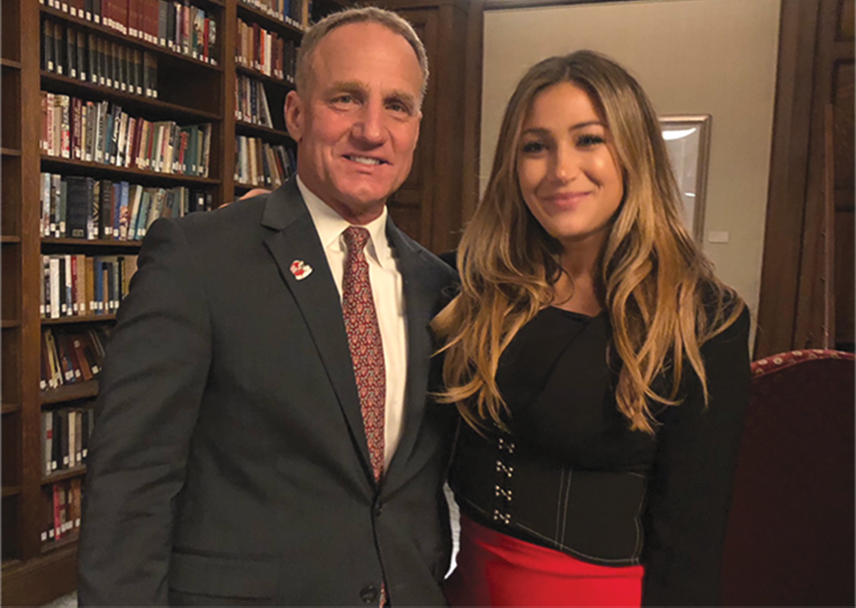
Scheper Team
Orange County mortgage and real estate professionals say most financing problems are preventable through planning, communication, and informed decision-making.
ORANGE COUNTY, CA, UNITED STATES, August 7, 2026 /EINPresswire.com/ -- As homebuyers continue to navigate a competitive housing market and increasingly complex lending requirements, two Orange County housing professionals are encouraging buyers to avoid several common mistakes that can delay financing or complicate a real estate transaction.
Buying a home today involves extensive documentation, financial review, and coordination among lenders, Realtors®, escrow companies, appraisers, insurers, title companies, and underwriters. According to mortgage professional Paul E. Scheper, CRMP, CSA, SRES, and Realtor Sarah Scheper, many financing challenges can be prevented through preparation, communication, and informed decision-making.
"Our philosophy has always been simple," said Paul Scheper. "Helping families make informed decisions before problems occur is far more valuable than trying to solve problems after they've already developed. Most mortgage issues don't happen overnight—they're created by a series of small, avoidable decisions."
Sarah Scheper agrees that preparation often makes the difference between a smooth transaction and an unexpected setback.
"Buying a home is one of the biggest financial and emotional decisions most families will ever make," she said. "When buyers understand the process before they begin shopping, they're more confident, write stronger offers, and experience far fewer surprises throughout the transaction."
Drawing on decades of combined experience, the father-daughter team identified seven of the most common mistakes they see during the homebuying process.
1. Opening New Credit Accounts
Applying for a new credit card, financing furniture, purchasing a vehicle, or co-signing for another person's loan can increase a borrower's debt-to-income ratio and reduce mortgage qualification.
"Even a single new monthly payment can affect the amount a buyer qualifies to borrow," Paul Scheper said. "Our advice is straightforward: once you've decided to purchase a home, avoid taking on any new debt until after your transaction has closed."
2. Making Large or Unexplained Bank Deposits
Mortgage underwriting requires lenders to verify the source of funds used for down payments and closing costs.
Large cash deposits or transfers without adequate documentation often create unnecessary underwriting questions and may delay the approval process.
"Simple planning can prevent weeks of additional documentation," Scheper said. "We encourage buyers to discuss any significant financial transactions with their mortgage professional before moving money between accounts."
3. Changing Employment During the Mortgage Process
Accepting a promotion or changing careers can be a positive step, but employment changes immediately before closing often require additional verification and, in certain situations, may affect qualifying income.
"Lenders value stable and predictable income," Scheper noted. "Whenever possible, borrowers should consult their loan professional before making an employment change during the mortgage process."
4. Confusing a Pre-Qualification with a Pre-Approval
Many buyers mistakenly believe they have been fully approved after an initial conversation with a lender.
A comprehensive pre-approval generally includes verification of credit history, income, assets, employment, and supporting documentation.
"In today's competitive market, sellers want confidence that financing has already been carefully evaluated," Sarah Scheper said. "A strong pre-approval often gives buyers a meaningful advantage when submitting an offer."
5. Underestimating the Total Cost of Buying a Home
Many first-time buyers budget for the down payment but overlook closing costs, prepaid expenses, moving costs, lender reserve requirements, and other upfront expenses associated with purchasing a home.
"A successful home purchase requires understanding the complete financial picture," Sarah Scheper said. "Thoughtful planning helps families avoid unnecessary financial stress and unexpected surprises."
6. Not Budgeting for the Full Cost of Homeownership
Many buyers focus primarily on the monthly mortgage payment but overlook the ongoing expenses that come with owning a home. Property taxes, homeowners insurance, maintenance, utilities, homeowners association (HOA) dues, and unexpected repairs can all affect a household's long-term budget.
"A successful home purchase isn't just about qualifying for a loan—it's about comfortably affording homeownership after closing," Paul Scheper said. "Taking time to understand the full financial picture helps buyers make confident decisions and reduces the likelihood of financial stress down the road."
7. Waiting Too Long to Assemble a Professional Team
Both experts believe successful transactions begin with early communication among buyers, Realtors®, mortgage professionals, escrow officers, title companies, insurance professionals, and other trusted advisors.
"The best transactions don't happen by accident," Sarah Scheper said. "They happen because experienced professionals communicate early, anticipate potential issues, and work together to keep the transaction moving forward."
While mortgage guidelines and housing markets continue to evolve, Scheper believes one principle remains constant: informed buyers make better decisions.
"Our role isn't simply to help someone obtain financing," he said. "Our responsibility is to educate families, answer their questions honestly, and help them make informed decisions that are in their long-term best interest."
Sarah Scheper believes that philosophy benefits buyers long after escrow has closed.
"When families understand the process, they make better decisions," she said. "Better decisions lead to better outcomes, less stress, and greater confidence throughout one of life's most important milestones."
The Schepers encourage prospective homebuyers to begin the financing process early, ask questions throughout the transaction, and work with experienced professionals who emphasize education and proactive communication from the outset.
About Loangevity Mortgage
Loangevity Mortgage is a California mortgage company dedicated to helping homeowners make informed financing decisions through education-first guidance. Led by Paul E. Scheper, CRMP, CSA, SRES, the company specializes in residential mortgage lending, retirement housing strategies, and federally insured Home Equity Conversion Mortgages (HECMs). Through personalized consultations and educational resources, Loangevity Mortgage helps homebuyers and homeowners understand their financing options and make confident, informed decisions.
About Sarah Scheper
Sarah Scheper is a California Realtor specializing in residential real estate throughout Southern California. She works with first-time homebuyers, move-up buyers, sellers, and investors, emphasizing market knowledge, strategic negotiation, client education, and proactive communication from the initial consultation through the close of escrow.
Holly Hackett, Press Relations
Loangevity Mortgage
+1 800-662-6784
email us here
Visit us on social media:
LinkedIn
Instagram
Facebook
YouTube
X
Legal Disclaimer:
EIN Presswire provides this news content "as is" without warranty of any kind. We do not accept any responsibility or liability for the accuracy, content, images, videos, licenses, completeness, legality, or reliability of the information contained in this article. If you have any complaints or copyright issues related to this article, kindly contact the author above.
